How to Kill Ants in the Kitchen Step by Step
Finding ants in your kitchen can be frustrating, especially when they keep returning no matter how often you clean. You’re not alone—many people struggle to stop these persistent pests.
This guide to how to kill ants in the kitchen explains practical steps and products that can help you regain control.
To kill kitchen ants, first clean crumbs, grease, and spills. Then store food in sealed containers and fix leaks. Follow the trail to identify entry points, and wipe it away with soapy water.
Place slow-acting bait near trails without disturbing feeding ants. Use spray only on visible ants and follow the label carefully.
After activity drops, seal cracks around windows, doors, pipes, and cabinets. Keep monitoring and maintaining a dry, clean kitchen for lasting control.
The steps below explain each stage in detail.
Key Takeaways
- Identify ant trails, species, food sources, moisture, and entry points around cabinets, windows, plumbing, appliances, and doors.
- Remove crumbs, grease, standing water, and exposed food. Store ingredients in airtight containers and empty trash regularly.
- Wipe trails with warm, soapy water, then dry surfaces thoroughly to remove scent markers and discourage returning ants.
- Place slow-acting bait near active trails or entry points. Avoid disturbing feeding ants, and follow the product label.
- Seal entry gaps, monitor activity for several days, and contact a pest professional if ants persist.
How to Kill Ants in the Kitchen Safely

To kill ants in the kitchen safely, start by removing food crumbs, sealing pantry items, and wiping trails with soapy water. Observe ant behavior before choosing a treatment.
Note where ants gather, what foods attract them, and whether their activity changes throughout the day. For accurate pest identification, look at their size, color, and body shape, since different species may respond differently to baits and sprays.
Choose ant bait labeled for indoor kitchen use, and place small amounts near active trails, away from children and pets. Baits work because worker ants carry the food back to the colony, so don’t kill every visible ant immediately.
Follow the product label, use only the recommended amount, and never mix insecticides with household cleaners. Avoid spraying countertops, dishes, food, or food-preparation surfaces.
Store chemicals in their original containers, and wash your hands after handling them. Keep monitoring activity and clean surfaces regularly to discourage renewed feeding.
Find Where Ants Are Getting Inside

Start by following the ant trail to its entry point, checking gaps around windows, doors, baseboards, pipes, and cabinets. Move slowly, because ants may disappear behind appliances or into wall cracks. Use a flashlight to inspect dark corners, then place small pieces of painter’s tape beside suspected openings so you can monitor activity.
- Watch the trail: Note where ants gather, which direction they travel, and whether they return after you wipe the area. This supports accurate Ant nest identification without disturbing the colony.
- Inspect moisture: Check under sinks, around dishwashers, and near leaking pipes. Damp spots often attract ants and reveal hidden routes.
- Mark access points: Photograph cracks or holes before cleaning, so you can complete entry point sealing later with caulk or appropriate filler.
Don’t spray ants immediately; killing visible workers can hide the route you need to trace. Keep food sealed and crumbs cleaned while you investigate. Once you’ve mapped every entrance, you’ll know where to focus your next treatment steps.
Figure Out Which Ants You Have
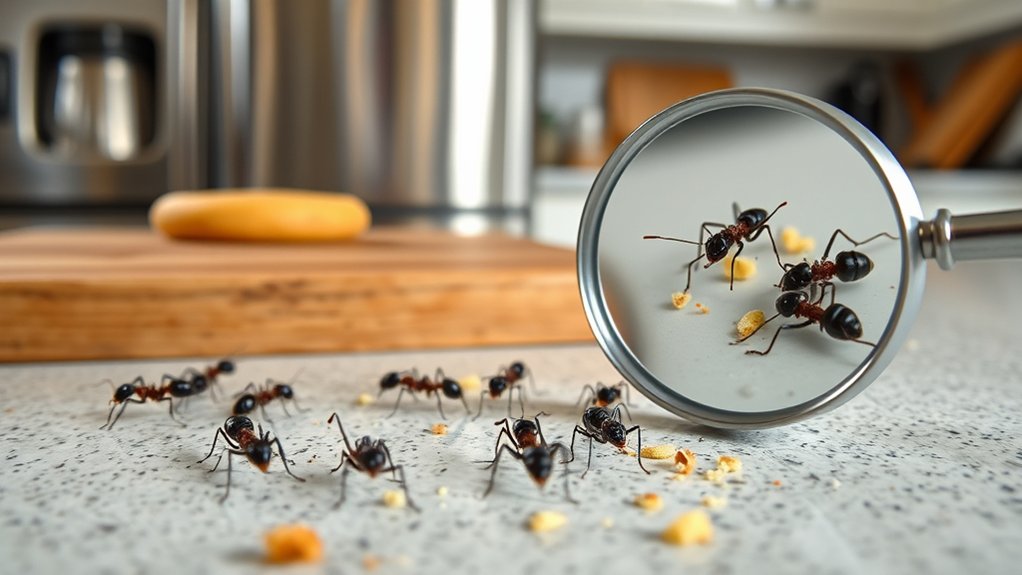
Identify the ants by comparing their size, color, body shape, and behavior. Begin your ant identification by watching several workers, not just one.
Tiny, pale yellow to brown ants may be odorous house ants, while reddish-brown ants with darker abdomens often indicate pavement ants. Large black ants, especially those near damp wood, could be carpenter ants.
Tiny pale ants may be odorous house ants, reddish-brown ants pavement ants, and large black ants near damp wood carpenter ants.
Note whether each ant has one or two visible waist segments, elbowed antennae, or unusually long legs. Use a magnifying glass and take clear photos beside a ruler for comparison.
Next, observe their movement patterns without disturbing them. Fast, erratic trails may suggest one species, while slow, deliberate travel or scattered activity may suggest another.
This pest behavior can provide useful clues, but appearance matters more than speed alone. Check a reliable extension-service guide or ask a pest professional to confirm your observations.
Correct identification helps you choose an effective treatment and prevents you from misusing products meant for different ants.
Remove Food, Water, and Grease
Keep food in sealed containers so ants can’t get to crumbs, sweets, or pet food. Wipe up spills, fix leaks, and dry damp areas to eliminate water sources. Also, clean grease from counters, stovetops, and floors to make your kitchen less inviting.
Store Food Securely
Ants won’t stay in your kitchen if they can’t find food, water, or grease. Focus on food storage first, so you’ll remove the scents that guide ants indoors and support effective pest prevention.
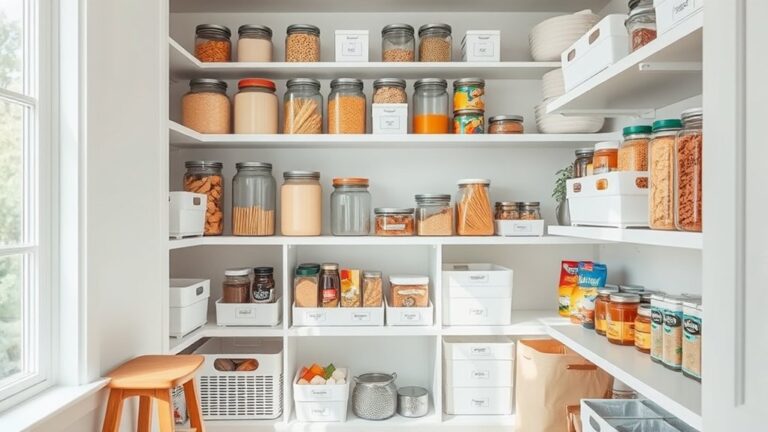
- Transfer sugar, flour, cereal, rice, and snacks into airtight containers. Wipe container rims before sealing them, because tiny crumbs can attract scouts.
- Keep fruit, bread, and baked goods inside sealed bags or containers instead of leaving them on counters. Store ripe produce in the refrigerator when practical.
- Clean crumbs and spills promptly, then empty trash containing food scraps. Rinse recyclable cans and bottles before placing them in the bin.
Check pet-food bowls, too. Serve only what your pet will eat, and seal the remaining food. Sweep under appliances and furniture regularly to remove hidden morsels. Don’t leave dirty dishes overnight.
Eliminate Water And Grease
Removing accessible food is only part of the solution; ants also follow moisture and greasy residue. Inspect your kitchen for Water sources, including dripping faucets, damp sponges, pet bowls, and condensation beneath appliances.
Repair leaks promptly, empty standing water, and dry sinks and counters after use. Don’t leave wet dishcloths overnight; hang them to dry or replace them regularly.
Next, tackle grease buildup around the stove, backsplash, range hood, and cabinet handles. Wipe these areas with warm, soapy water, then rinse and dry them thoroughly.
Clean crumbs and spills immediately, especially beneath small appliances and along floor edges. Take out trash frequently, and wash the bin if residue remains.
Wash Away Ant Trails
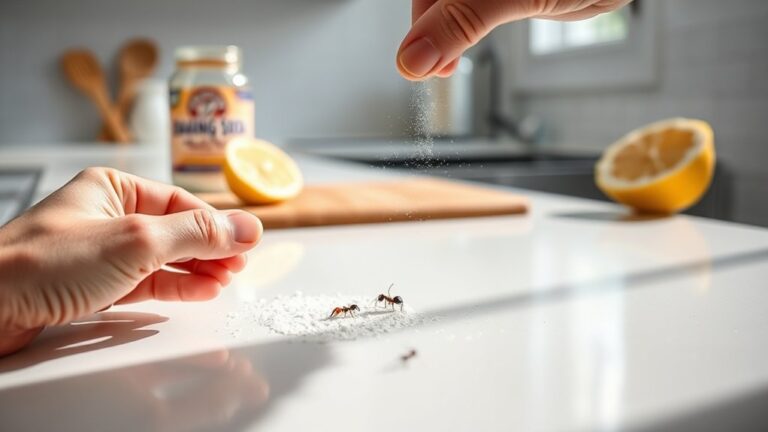
Once you’ve cleared away visible ants, wipe their trails with warm, soapy water to remove the pheromones that guide others to food. Focus on counters, cabinet edges, baseboards, windowsills, and floor cracks where ants traveled. Ant trail identification helps you find every route, even when insects have disappeared.
- Mix warm water with a few drops of dish soap in a bowl or spray bottle. Apply it generously, then scrub with a clean cloth.
- Rinse the surface if needed, and dry it completely. Moisture can attract ants, so don’t leave damp towels or puddles nearby.
- Repeat the cleaning after several hours if ants return. Check behind appliances and beneath containers, where trails often continue unnoticed.
These trail disruption techniques erase scent markers and make your kitchen less inviting. Wash food spills immediately, sweep crumbs from corners, and clean the same paths daily until activity stops.
Don’t rely on water alone. Seal cracks and store food securely to prevent new trails from forming. Use a fresh cloth so you don’t spread scents between surfaces.
Choose Bait That Reaches the Colony
Choose a slow-acting ant bait that worker ants can carry back to the colony. Look for a gel, liquid, or soft bait labeled for indoor ants and suited to your kitchen.
Choose a slow-acting indoor ant bait that workers can carry back to the colony, such as a kitchen-suitable gel, liquid, or soft bait.
Fast-killing products may eliminate foragers before they share the food, reducing bait effectiveness. Instead, select a formula containing sugar for sweet-feeding ants or protein and fat for species seeking savory foods.
Observe colony behavior to match the bait to their current preference. Ants may switch foods as seasons and brood needs change.
Read the label carefully, and use only products approved for indoor application around food-preparation areas. Keep the bait enclosed in a tamper-resistant station if children or pets could reach it.
Don’t mix bait with sprays, cleaners, or homemade ingredients, because altered scents can discourage feeding.
Replace an old, dried, or contaminated product with fresh bait of the same type. Choose enough stations to represent the infestation without overcrowding the area.
Place Bait and Wait for Results
Place bait stations beside active trails, near entry points, or under appliances—but keep them away from food, dishes, and food-contact surfaces. Don’t disturb the ants while they feed.
Their activity helps workers carry the bait back to the nest, where it can reach the queen and developing ants. Understanding ant colony behavior helps you wait instead of reacting too quickly.
- Check daily: Watch for feeding, but don’t move or refill a station unless its label says to do so. Reduced activity may signal progress, not failure.
- Allow time: Bait effectiveness depends on slow delivery. Give the treatment several days, or follow the product’s instructions, while keeping children and pets away.
- Refresh carefully: Replace dried, empty, or contaminated bait according to the label. Keep the route clear so ants can find it easily.
You may notice more ants at first; that’s normal. Avoid wiping trails or blocking access during this waiting period.
Continue monitoring until activity stops consistently.
Use Sprays Only for Spot Treatment
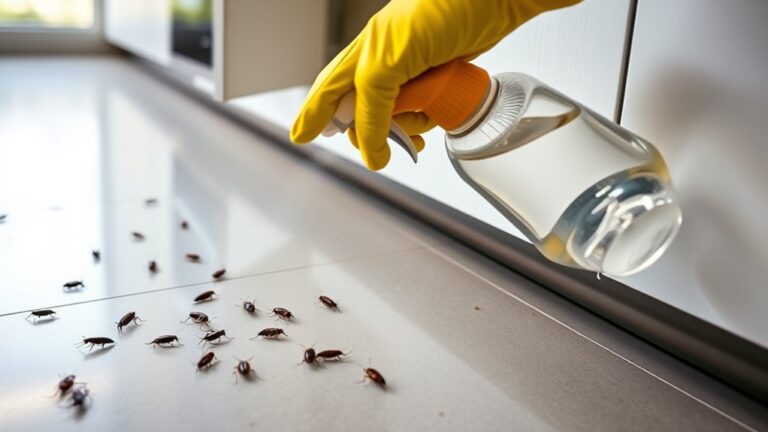
Use the spray only on visible ants, and apply a small amount directly to them. Avoid spraying counters, floors, or cabinets broadly, since this can spread chemicals without addressing the colony. Ventilate the treated area before using your kitchen again.
Target Visible Ants
When you spot ants in the kitchen, wipe them up or spray them directly with a labeled household insecticide, rather than treating the entire room. Follow the product label carefully, protect food and dishes, and ventilate as directed.
A focused response helps you act safely while observing what’s happening.
- Track the trail: Watch where ants enter, what they seek, and how quickly they return. Understanding Ant behavior can reveal a nearby food source or entry point.
- Confirm the insect: Note size, color, and body shape before choosing a product. Ant species identification matters because species may respond differently to treatments.
- Treat the target: Apply a small amount only to visible ants and nearby cracks or surfaces allowed by the label. Wipe treated areas after the required contact time, then wash your hands thoroughly.
Avoid Broad Spraying
Broad spraying can spread insecticide onto countertops, utensils, food, and other surfaces unnecessarily, so limit sprays to individual ants or labeled cracks and entry points. Before applying anything, observe ant behavior and confirm pest identification. Different species respond to different products, and misidentification can lead to ineffective treatment or unnecessary chemical use.
Use a small, targeted application where ants enter, travel, or gather, but follow every label direction. Keep spray away from dishes, cutting boards, appliances, and stored food.
For trails, wipe up visible ants and residue first, then treat only a permitted crack or crevice if the label allows it. Don’t spray entire floors, cabinets, or walls.
Targeted treatment reduces contamination risks and helps you address the colony’s likely route without turning your kitchen into a chemical-treated zone.
Ventilate Treated Areas
After any spot treatment, open windows or doors to improve airflow and let the area dry completely before resuming normal kitchen activities. Good air circulation helps disperse lingering fumes and supports odor removal, especially in a small kitchen. Keep children, pets, and uncovered food away until the label’s reentry time has passed.
- Turn on an exhaust fan or range hood, but don’t aim it directly at wet spray, which could spread the product.
- Wipe nearby food-preparation surfaces after the treated spot dries, following the product label’s cleaning instructions.
- Wash your hands, remove contaminated gloves, and store the spray securely away from heat, moisture, and children.
If the smell remains strong, leave the room longer and increase ventilation. Never mix cleaners to remove an odor, and don’t spray larger areas to compensate for poor ant control. Use sprays only for targeted spot treatment.
Seal Kitchen Cracks and Gaps
Seal cracks and gaps around your kitchen to block ants from entering and reaching food. Begin by inspecting areas where walls meet floors, countertops, cabinets, and ceilings.
Check around plumbing pipes, electrical lines, windows, doors, and appliance connections. Use a flashlight to spot narrow openings, loose trim, or damaged grout.
Clean dust and grease from each surface, then let it dry completely. Caulk cracks along backsplashes, baseboards, cabinet edges, and other fixed joints with a kitchen-safe acrylic or silicone caulk.
Press the nozzle steadily and smooth the bead with a damp finger or finishing tool. For larger openings, pack them with suitable filler before applying caulk.
Weatherproof gaps around doors and windows with adhesive foam tape or exterior-grade sealant. Replace torn screens and repair damaged door sweeps when they create openings.
Allow every product to cure according to its label before washing nearby surfaces. Work carefully around outlets, wiring, and plumbing, and follow all product safety instructions.
Keep Ants From Coming Back
Keep ants from coming back by removing food and water sources and maintaining the barriers you’ve created. A clean, dry kitchen gives ants fewer reasons to return. Watch for trails, then use Pest identification to determine whether you’re dealing with tiny sugar ants, carpenter ants, or another species. Understanding their habits helps you target prevention instead of guessing.
- Wipe counters, floors, and cabinet shelves after meals. Store sugar, cereal, pet food, and snacks in sealed containers. Empty trash regularly, and clean spills immediately.
- Fix dripping faucets, leaking pipes, and damp areas beneath the sink. Don’t leave pet bowls filled overnight, and dry dishes promptly.
- Inspect your kitchen weekly for new cracks, damaged caulk, or gaps around pipes and windows. Refresh seals as needed, and check outdoor plants, firewood, and mulch near walls, since they can create an Ant habitat beside your home.
If ants keep appearing despite these steps, follow their trail to the entry point or contact a licensed pest professional for lasting control.
Frequently Asked Questions
Can Kitchen Ants Contaminate Food or Spread Illness?
Yes, kitchen ants can contaminate food by carrying bacteria, dirt, and allergens across counters, packages, and uncovered meals. Although they rarely cause serious illness, you shouldn’t eat food ants have crawled over, especially if you have a weakened immune system.
Ants and allergies matter, too: contact may trigger reactions in sensitive people. For Ants and home safety, seal food, clean trails, repair cracks, and wash surfaces regularly to reduce contamination risks.
How Long Can Ants Survive Without Food or Water?
When push comes to shove, ants usually survive only a few days without water, while some species may endure weeks without food. Your results depend on temperature, species, colony support, and access to moisture.
Ant behavior changes under deprivation: workers forage farther, become less active, and may cannibalize brood. Ant lifespan can range from several weeks for workers to years for queens, but dehydration threatens them fastest.
Seal food and eliminate damp areas.
Are Professional Pest Control Services Necessary for Severe Infestations?
Professional pest control services aren’t always necessary, but you should consider them for severe or recurring infestations. If ants spread through walls, return after cleaning, or involve stinging or damaging species, an expert can identify the colony and treat it safely.
DIY remedies may help with small problems, while chemical treatments require careful handling around children and pets. Contact a licensed technician when home efforts fail, and follow their prevention advice.
Can Pets Be Harmed by Accidentally Eating Ants?
Most pets experience no harm from occasional ant ingestion, but some ants can bite, sting, or carry household chemicals. For Pet safety, prevent access to bait stations and contaminated surfaces, and supervise curious animals.
Ant ingestion becomes more concerning if your pet eats many ants, pesticide-treated insects, or shows vomiting, drooling, weakness, swelling, or breathing trouble. Contact your veterinarian or an animal poison-control service promptly, and don’t induce vomiting unless professionals direct you.
Why Do Ants Sometimes Appear After Heavy Rain?
Ants sometimes appear after heavy rain because flooding drives them from underground nests and forces them to seek dry shelter, food, and higher ground. This rain impact changes their surroundings quickly, while ant behavior directs them toward kitchens, walls, windows, and other protected spaces.
You’ll often notice more activity soon after storms, especially near cracks or damp foundations. Sealing entry points and removing moisture can discourage these temporary invasions.
Conclusion
Follow these steps to tackle kitchen ants safely instead of simply scattering them. For example, if you find a trail beneath your sink, wipe it away, remove crumbs, set bait nearby, and seal the pipe gap after activity stops.
Keep food sealed, fix leaks, and check entry points regularly. If ants persist, or you spot stinging species, skip risky chemicals and contact a licensed pest professional.
A clean, dry kitchen makes your prevention routine easier and helps you successfully kill ants in the kitchen.