10 Essential Tips to Eat at Hell’s Kitchen
Finding the right place to eat in Hell’s Kitchen can feel overwhelming, especially with so many restaurants, busy streets, and tempting menus to choose from. You’re not alone. Many visitors struggle to balance atmosphere, location, budget, dietary needs, and timing while planning a great meal.
You’ll enjoy eating in Hell’s Kitchen more when you choose between lively Theater Row and quieter side streets based on your preferred atmosphere. Match your restaurant to nearby shows or activities, and reserve popular tables early.
Compare menus, portions, prices, and signature dishes before choosing. Check vegetarian, vegan, gluten-free, and allergy-friendly options. Set a budget for tax, tips, drinks, and fees. Arrive early, plan transportation, and allow time for unhurried dining.
The tips below will help you plan confidently.
Key Takeaways
- Choose between Theater Row’s lively atmosphere and quieter side streets based on your preferred noise level and dining style.
- Reserve popular restaurants several days ahead, especially for weekend brunch, dinner, and pre-theater meals.
- Check menus beforehand for vegetarian, vegan, gluten-free, and allergy-friendly options, and communicate restrictions before ordering.
- Review portions, drink prices, taxes, gratuity, and service fees to establish a realistic per-person budget.
- Schedule dinner with enough time for transportation, theater security, weather disruptions, and post-meal activities.
Choose Between Theater Row and Side Streets
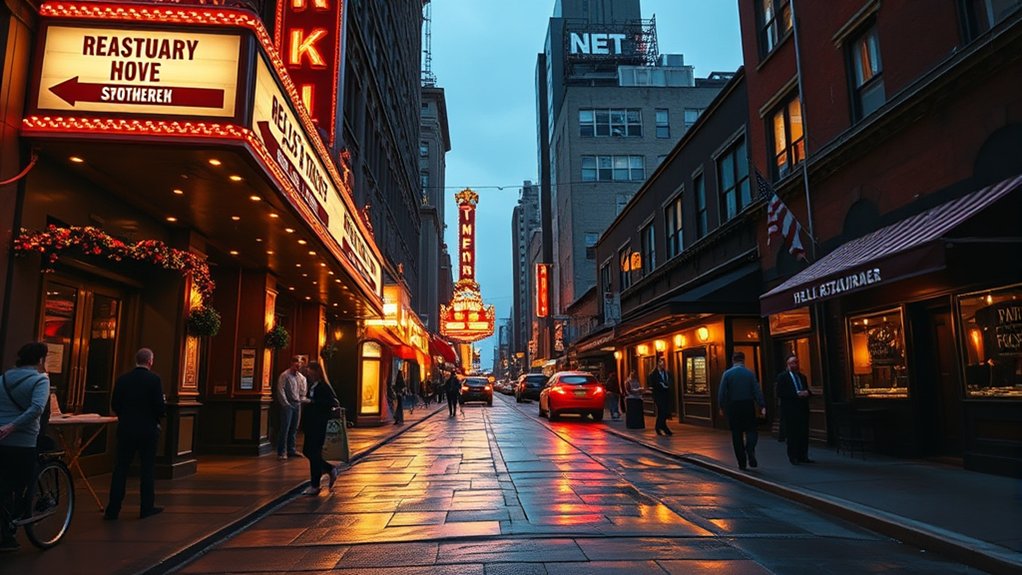
When choosing where to eat in Hell’s Kitchen, decide whether you want the energy of Theater Row or the quieter feel of the side streets. Theater Row gives you a lively atmosphere, with busy sidewalks, bright signs, and restaurants that welcome a steady stream of diners.
Choose it when you enjoy people-watching and a more animated setting. You’ll often find compact dining rooms, bar seating, and menus designed for efficient service.
The side streets offer a calmer alternative. You can settle into a neighborhood restaurant, enjoy a slower meal, and hear your conversation without competing with the surrounding bustle.
These spots may feel more intimate, making them a good choice for a relaxed dinner or casual gathering. Before you commit, consider the atmosphere you prefer, the noise level you’ll tolerate, and whether you want an energetic or peaceful setting.
Both areas showcase Hell’s Kitchen’s character, so your ideal choice depends on the mood you want.
Match Your Restaurant to Nearby Plans
Match your restaurant to your plans, especially if you’re seeing a show on Theater Row. Choose a spot nearby that fits your evening itinerary, so you have plenty of time to dine without rushing. When dinner and entertainment line up, you’ll enjoy the whole night more.
Theater Plans Nearby
Planning a show near Hell’s Kitchen? Choose a restaurant that matches your theater plans, especially when you’re holding Broadway tickets for a popular production. The neighborhood sits beside several major Theater districts, so you’ll find plenty of dining options within a convenient walk.
Check your theater’s location before reserving a table. A restaurant near Times Square may suit one venue, while a spot closer to Ninth Avenue could work better for another.
Allow time for security lines, ticket collection, and seat finding, then select a restaurant that keeps your route simple. Look for menus with dependable service and dishes you can order efficiently.
If your party includes children or guests with dietary needs, confirm accommodations in advance. You’ll enjoy your meal more when the restaurant supports your theater plans.
Evening Itinerary Fit
Build your Hell’s Kitchen reservation around the rest of your evening, whether you’re seeing a Broadway show, meeting friends, or exploring nearby attractions. Choose a restaurant that fits your timing, location, and energy level.
Before a performance, book an efficient meal close to the theater and allow extra time for check-in and seating. Afterward, select a relaxed spot where you can linger without watching the clock.
If you’re visiting museums, galleries, or other cultural events, plan dinner along your route to avoid unnecessary backtracking. For a livelier night, look near Nightlife venues so you can continue with cocktails, music, or dancing after your meal.
Share your schedule when reserving; the staff may suggest the best table and pacing. You’ll enjoy dinner more when it supports, rather than complicates, your plans.
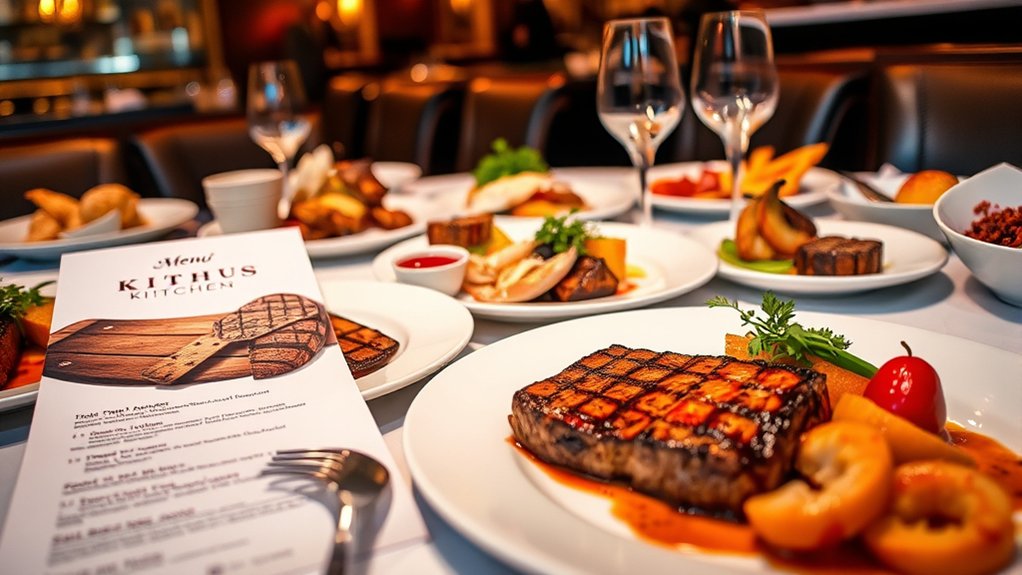
Comparing Hell’s Kitchen restaurant menus helps you choose the experience that fits your appetite and budget. Start by identifying what you want to eat: a quick bite, a leisurely dinner, or a cuisine you rarely try.
Scan each menu for variety, including vegetarian, seafood, pasta, and meat options, so everyone in your group can order comfortably.
Look beyond familiar favorites and notice Signature menu items that reveal each restaurant’s personality. Unique dish pairings may offer a more memorable meal than standard choices, especially when chefs combine unexpected flavors or regional ingredients.
Read descriptions carefully, and check whether dishes arrive as small plates, entrées, or shareable portions. You’ll then compare menus more accurately and avoid ordering more food than you need.
Also review drink lists, dessert selections, and allergy information before choosing. A concise menu can signal focused preparation, while a broad menu may provide greater flexibility.
Choose the restaurant whose offerings best match your cravings, dietary needs, and preferred dining style.
Build Your Hell’s Kitchen Dining Budget
Once you’ve found a menu that suits your tastes, set a budget before you reserve a table or order. Decide what you’re comfortable spending per person, then include tax, gratuity, and any shared appetizers in your estimate.
If you’re dining with friends, agree on whether you’ll split the bill evenly or pay for individual items.
Use price comparison to evaluate similar entrées, tasting menus, and drinks at nearby restaurants. Don’t assume the lowest menu price creates the best value; consider portion sizes, included sides, and extra charges.
Budget planning also helps you choose between a full meal, a few small plates, or dessert and coffee.
Check each restaurant’s menu online for current prices, but leave a modest cushion for substitutions or impulse orders. If your total exceeds your limit, remove add-ons before you sit down.
You’ll enjoy your meal more when the final bill feels manageable rather than surprising.
Choose the Best Time to Dine
Choose a time outside peak hours for a more relaxed meal at Hell’s Kitchen. Booking early can help you secure your preferred table, especially during popular dining times. For better availability and a calmer experience, consider dining on a weekday.
Avoid Peak Hours
Avoid peak hours by dining at Hell’s Kitchen during a quieter window, such as late morning, mid-afternoon, or after the dinner rush. You’ll usually find shorter waits, less noise, and more space to enjoy your meal comfortably.
A calmer dining room also makes it easier to study the menu, ask your server questions, and savor each course without feeling rushed. If you’re visiting with children, older guests, or anyone sensitive to crowds, choosing an off-peak period can make the experience notably smoother.
Weekday afternoons often provide the most relaxed atmosphere, while early dinners may offer a lively but manageable setting. Consider local events and theater schedules, since they can quickly change crowd management patterns and intensify peak dining periods near Hell’s Kitchen.
Check the restaurant’s current hours before you go.
Book Early
Booking early helps you secure your preferred dining time, especially for weekends, holidays, and pre-theater meals when Hell’s Kitchen can fill quickly. Reserve through the restaurant’s website or call directly.
Confirm your party size, arrival time, and any special requests. If you’re seeing a show, allow enough time for traffic, security, and seating.
Check parking tips before you leave so you won’t rush. Review the dress code, too, particularly if you’re combining dinner with a formal event.
Set a calendar reminder to verify your reservation a day ahead, then arrive promptly to protect your table. If your plans change, cancel as soon as possible so the restaurant can offer the time to another guest.
Early planning gives you a smoother meal and more control over your evening.
Consider Weekday Dining
Weekday dining often gives you more flexibility, with shorter waits and better access to popular time slots. If you can visit Monday through Thursday, you’ll usually find it easier to reserve a table and enjoy a relaxed meal.
Check restaurant schedules before you go, since kitchens may adjust hours for events, holidays, or seasonal demand.
- Choose an early dinner for faster seating.
- Try lunch for a quieter, budget-friendly experience.
- Reserve midweek tables before weekend slots fill.
- Ask about happy-hour specials and limited menus.
- Confirm closing times before planning a late visit.
You’ll also have more time to discover Hell’s Kitchen without rushing between attractions.
For the smoothest experience, compare reservation times, check cancellation policies, and arrive promptly. Weekday dining can help you enjoy popular restaurants with less stress and more attentive service overall.
Reserve Popular Hell’s Kitchen Restaurants
Reserve popular Hell’s Kitchen restaurants several days ahead, especially for dinner, weekend brunch, or pre-theater dining. You’ll find that sought-after tables disappear quickly, particularly near Broadway showtimes.
Reserve Hell’s Kitchen dining several days ahead, especially for weekend brunch, dinner, and pre-theater meals near Broadway.
Check each restaurant’s reservation policies before booking. Some require a credit card, charge cancellation fees, or release tables at specific times.
Confirm your party size and arrival window, then set a calendar reminder so you don’t lose the reservation.
When you book, consider the restaurant ambiance and your plans. Request a quieter table if you want conversation, or choose bar seating for a livelier experience.
If you’re attending a show, allow enough time for a relaxed meal and travel. Tell the restaurant about your curtain time when appropriate.
Use the restaurant’s website, a trusted reservation platform, or call directly for special requests. Recheck the date, time, and location the day before.
Arriving promptly helps you enjoy your meal without rushing and keeps your table available for other diners.
Check Vegetarian and Dietary Options
Check each restaurant’s vegetarian options before booking. If you have dietary restrictions, contact the staff to make sure they can accommodate you. You can also ask about allergy-friendly preparation so you can enjoy your meal with confidence.
Vegetarian diners will find several thoughtful choices at Hell’s Kitchen, from fresh vegetable dishes to meat-free pasta and sides. You can ask your server which plates suit your preferences, then build a satisfying meal without meat.
- Start with seasonal vegetables or a crisp salad.
- Choose meat-free pasta with a flavorful sauce.
- Add roasted potatoes or another vegetable side.
- Look for plant-based selections among the starters.
- Save room for a fruit-forward or chocolate dessert.
Vegan options may be available, but you’ll want to confirm ingredients before ordering. You can also ask whether sauces, garnishes, and cooking methods contain animal products.
If you’re exploring gluten free choices, request the current menu guidance and verify preparation details with your server. Menus can change, so checking before you order helps you enjoy the meal confidently.
Dietary Restrictions Accommodated
Hell’s Kitchen can accommodate many dietary needs, but you should review the current menu and tell your server about any allergies or restrictions before ordering.
If you avoid wheat, ask which dishes qualify as gluten free accommodations and whether substitutions are available. You can also request vegan menu options, such as vegetable-based plates or sides prepared without animal products.
Don’t assume a dish fits your diet because it appears vegetarian. Sauces, broths, cheese, eggs, or other ingredients may change its classification.
Ask about preparation methods and possible modifications before you commit to an order. Menus and recipes can change, so confirm details during your visit.
Allergy-Friendly Dining Options
When you’re dining at Hell’s Kitchen with food allergies, review the vegetarian and dietary options with your server before ordering. Ask how dishes are prepared, whether ingredients can be modified, and if the kitchen can prevent cross-contact. Don’t assume a vegetarian meal is automatically safe for your needs.
- Request gluten free options and confirm sauces, seasonings, and sides.
- Explain your allergy clearly, including its severity.
- Ask about nut allergy accommodations before choosing desserts or shared dishes.
- Check vegetarian items for hidden dairy, eggs, or animal-based broths.
- Confirm your final order with the server before it reaches the kitchen.
You’ll have a smoother experience when you communicate early and specifically. If staff can’t verify an ingredient, choose another dish rather than guessing.
Carrying prescribed medication and dining during less busy hours can also make allergy-related conversations easier. Always prioritize your safety over convenience.
Choose Dishes by Cuisine and Occasion
Choose dishes based on the cuisine and the occasion, whether you want a quick bite, a romantic dinner, or a celebratory meal. For a quick visit, select shareable starters, sandwiches, or a flavorful bowl that arrives promptly.
Choose dishes that suit both the cuisine and occasion, from quick bites to romantic dinners and celebratory meals.
If you’re planning a romantic dinner, look for refined entrées, seasonal vegetables, and a dessert you can enjoy together. For celebrations, choose several courses to create a relaxed, memorable experience.
Explore Hell’s Kitchen’s diverse restaurants by considering their culinary identity. Cultural influences shape flavors, techniques, and presentation, so read the menu description carefully and choose dishes that reflect the restaurant’s specialty.
Ingredient authenticity can make a meaningful difference, especially when you’re ordering regional favorites such as handmade pasta, traditional tacos, or aromatic curries. Ask your server about signature dishes, preparation methods, and ideal pairings to guide your choices.
You’ll enjoy the meal more when each selection suits both your appetite and the occasion.
Budget for Drinks, Tips, and Fees
Before you order, review drink prices and account for tax, gratuity, and any service fees so you won’t exceed your budget. Set a spending limit per person, then keep in mind that cocktails, wine, and specialty beverages can quickly raise your total.
Ask about pours, pairings, and nonalcoholic alternatives before committing.
- Check the menu for current drink prices and serving sizes.
- Decide whether you’ll share bottles or order individual drinks.
- Follow cocktail etiquette by pacing yourself and avoiding assumed refills.
- Apply local gratuity standards to the pre-tax bill unless the restaurant states otherwise.
- Inspect the receipt for included gratuity, taxes, and extra service charges.
Keep a card or cash ready for your share, especially when splitting the check. If you’re celebrating, include a realistic cushion for an additional round, but don’t feel pressured to order one.
You can also tell your server about your budget. They may suggest options that fit comfortably. Review the final bill before paying so you catch duplicate items or incorrect fees.
Plan Timing, Seating, and Post-Meal Stops
Plan your reservation around the restaurant’s busiest periods, then allow extra time for check-in, seating, and the meal itself. Arrive 15 minutes early so you can handle security, find your table, and settle in without rushing.
If you’re attending a show afterward, leave at least 90 minutes between your reservation and curtain time.
| Timing choice | What you’ll experience |
|---|---|
| Early dinner | Quieter tables and relaxed service |
| Peak dinner | Livelier energy and possible delays |
Ask for seating preferences when you book, especially if you want a booth, a window, or a quieter corner. Confirm accessibility needs and mention celebrations in advance.
For Pre dinner entertainment, delve into nearby bars, galleries, or theater lobbies, but keep your schedule flexible.
After your meal, take a short walk before heading elsewhere. Post meal sightseeing might include Times Square’s bright displays, nearby Broadway marquees, or a stroll through Hell’s Kitchen’s lively streets.
Check closing times and weather, and reserve transportation ahead if you’re traveling late. You’ll enjoy the evening more when each stop feels unhurried.
Frequently Asked Questions
Is Hell’s Kitchen Safe for Tourists Dining Alone at Night?
Yes, Hell’s Kitchen is generally safe for tourists dining alone at night, especially along busy, well-lit streets. Use practical night safety habits: stay aware, keep valuables secure, and choose reputable restaurants with steady activity.
Tourist tips include sharing your itinerary, using licensed taxis or rideshare apps, and avoiding quiet side streets after dinner. Trust your instincts, limit alcohol, and ask restaurant staff to help you arrange transportation if you’re unsure.
Are Restaurants in Hell’s Kitchen Accessible for Wheelchairs and Mobility Devices?
You’ll find wheelchair access in many Hell’s Kitchen restaurants, but no single rule covers every location. Accessible entrances, step-free routes, and spacious dining areas often make visits easier, while narrow layouts or stairs can create challenges.
Ask ahead about restroom access, table clearance, and reservation accommodations. Request wheelchair-friendly menus in accessible formats when needed. A quick call can move mountains, confirming details before you arrive and helping you dine comfortably.
Do Hell’s Kitchen Restaurants Allow Outside Cakes for Birthdays or Celebrations?
Many Hell’s Kitchen restaurants allow outside cakes for birthdays, but you’ll need to confirm each venue’s policy before arriving. Ask about celebration policies, including cake-cutting fees, serving charges, storage, plates, and utensils.
Some restaurants permit commercially prepared cakes only, while others enforce cake restrictions or prohibit outside desserts entirely. Call ahead, mention your reservation, and request written confirmation. You’ll avoid surprises and ensure staff can accommodate your celebration comfortably.
Is Tap Water Complimentary at Hell’s Kitchen Restaurants?
Yes, you’ll typically receive complimentary tap water at Hell’s Kitchen restaurants, though policies can vary by location. Think of it as the opening act before dinner: at many U.S. restaurants, water arrives automatically unless you request otherwise.
Ask your server whether it’s filtered, chilled, or bottled to understand the water quality. Drinking policies may differ internationally, and bottled or sparkling water usually costs extra, so confirm before ordering to avoid surprises.
Are Pets Allowed on Restaurant Patios in Hell’s Kitchen?
Pets are often allowed on restaurant patios in Hell’s Kitchen, but each establishment sets its own rules. Check the restaurant’s pet policies before you arrive, since some patios welcome dogs while others restrict animals to service pets.
During patio dining, keep your pet leashed, quiet, and close to you. Call ahead to confirm availability, seating requirements, and any health-code limitations. You’ll avoid surprises and help create a comfortable experience for everyone.
Conclusion
Now you’re ready to eat through Hell’s Kitchen without overspending, missing a reservation, or settling for a menu that doesn’t fit your plans. Check the location, timing, dietary options, total cost, and what comes next before you choose.
Then leave room for one more decision: follow the familiar recommendation or turn down a side street to find your new favorite table. In Hell’s Kitchen, the best meal may be waiting where you least expect it.