7 Factors That Determine How Much New Kitchen Cabinets Cost
Planning a kitchen upgrade can be exciting, but figuring out how much new kitchen cabinets cost often feels overwhelming. You’re not alone—many homeowners struggle to compare cabinet styles, materials, labor, and unexpected remodeling expenses.
New kitchen cabinets typically cost $5,000 to $25,000, but your final price depends on seven factors: cabinet type, material and build quality, cabinet count, layout changes, storage upgrades, delivery, and installation or remodeling work.
Stock cabinets cost less than semi-custom or custom options, while solid wood, premium hardware, and specialty finishes raise prices. Plumbing, electrical work, demolition, and repairs can add more, so compare itemized quotes and reserve 10% to 20% for surprises as you examine each cost factor.
Key Takeaways
- Cabinet type, whether stock, semi-custom, or custom, strongly influences the total price.
- Materials, construction quality, finishes, and hardware determine durability and cost.
- Kitchen size, cabinet quantity, layout, and storage features affect material and installation expenses.
- Layout changes that require plumbing, electrical, appliance, wall, or flooring modifications can significantly increase costs.
- Delivery, demolition, installation, permits, finishing, and unexpected repairs add to the overall budget.
How Much Do Kitchen Cabinets Cost?
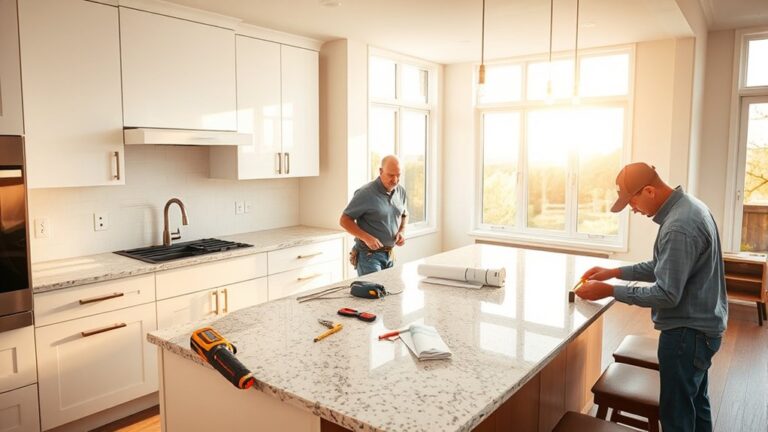
Kitchen cabinet costs typically range from $5,000 to $25,000, including materials and installation. Your final price will depend on the cabinet type, kitchen size, layout, and chosen finishes.
You’ll also need to account for removal, delivery, hardware, design services, permits, and possible electrical or plumbing adjustments. These additions can considerably affect your total, especially when your existing kitchen needs structural changes.
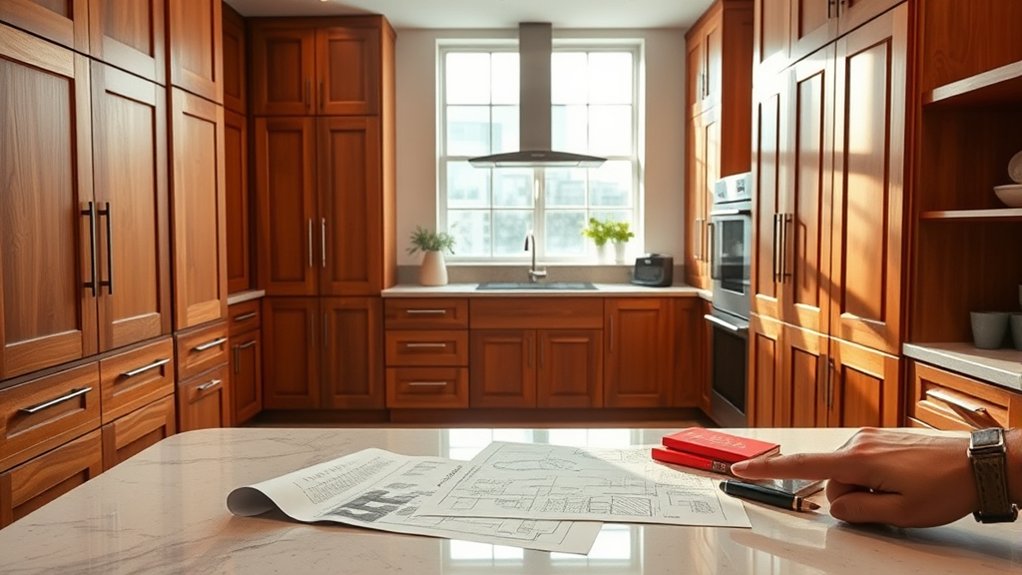
For accurate budget planning, request detailed estimates from several qualified contractors. Ask each professional to separate labor, materials, installation, and additional services so you can compare quotes fairly.
Set aside 10% to 20% for unexpected expenses, such as damaged walls, outdated wiring, or leveling problems uncovered during installation.
Your renovation timeline can also influence costs. Rush orders, expedited shipping, temporary storage, or extended labor may increase the final bill.
Confirm product availability and installation dates early, then coordinate deliveries carefully. A realistic schedule helps you avoid delays, rushed decisions, and unnecessary expenses while keeping your project financially manageable.
Cabinet Types and Their Price Ranges
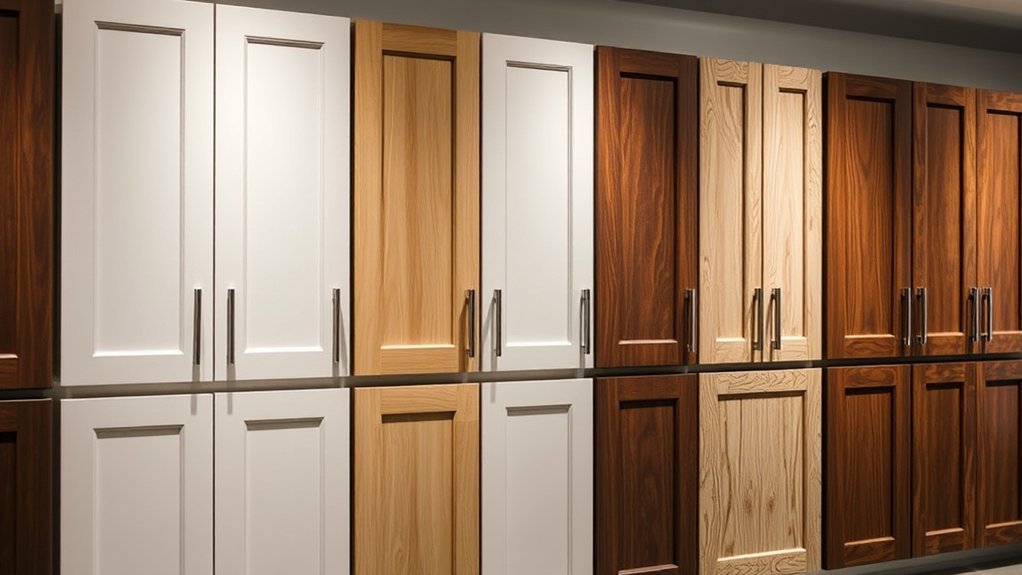
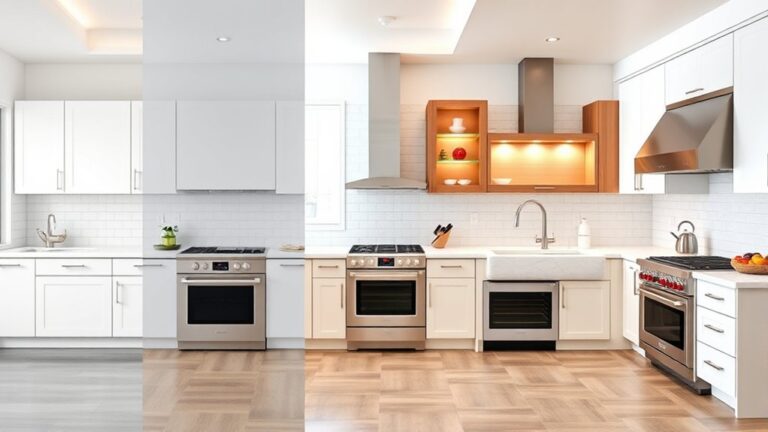
Cabinet type is one of the biggest factors affecting your renovation budget. Stock cabinets typically offer the lowest prices, often starting around $100 per linear foot. You’ll find standard sizes and limited finishes, but they’re practical for straightforward kitchen updates.
Semi-custom cabinets usually cost about $150 to $650 per linear foot. You’ll gain more choices in dimensions, materials, door profiles, and finishes without paying for fully individualized construction.
This range suits many homeowners who want flexibility while controlling costs.
Custom cabinets commonly run from $500 to $1,200 or more per linear foot. You can specify nearly every detail, including unusual dimensions, specialty storage, and premium wood species.
Vintage styles may require reclaimed materials or specialized craftsmanship, increasing the price. Likewise, eco-friendly options, such as bamboo or formaldehyde-free composite products, can cost more initially but support sustainability goals.
Compare construction quality, finishes, hardware, and warranties, not just the starting price, before choosing your cabinet type.
How Cabinet Count Changes Your Total Cost
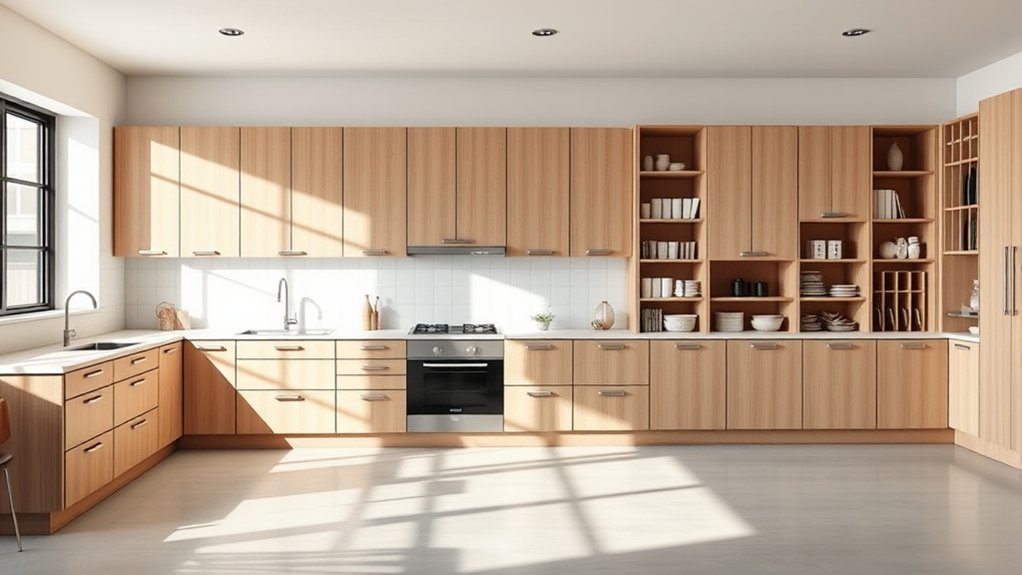
How many cabinets you need can affect your total cost as much as the price of each unit. More boxes increase purchase, delivery, and installation charges, while a smaller layout may reduce expenses but limit storage. Count carefully before requesting estimates.
- Measure your walls: Record each run, corner, and opening so you don’t order unnecessary units or overlook required fillers and end panels.
- Plan storage zones: Base cabinets, wall cabinets, and tall pantry units each add to your count. Choose sizes that match your cookware, dishes, and food supplies.
- Check countertop compatibility: Cabinet length and placement determine how much countertop you’ll need, including seams, overhangs, and support near corners.
- Allow for appliance integration: Reserve spaces for your refrigerator, range, dishwasher, and microwave so you don’t pay for cabinets that must be removed or modified.
Ask for an itemized quote showing cabinet quantities, accessories, delivery, and labor. Comparing totals, not just per-cabinet prices, helps you choose a layout that fits your budget.
Don’t forget that installation complexity can increase labor costs.
Materials and Build Quality
Your cabinet costs will depend largely on the materials you choose, such as laminate, wood, or plywood. Construction quality also plays a major role in durability, while hardware and finishes affect both functionality and price.
Cabinet Material Choices
Material choice is one of the biggest factors affecting kitchen cabinet cost because it influences durability, appearance, and construction quality. When you choose cabinets, you’ll compare price, visual appeal, maintenance needs, and expected lifespan. Each material offers a different balance of value and style.
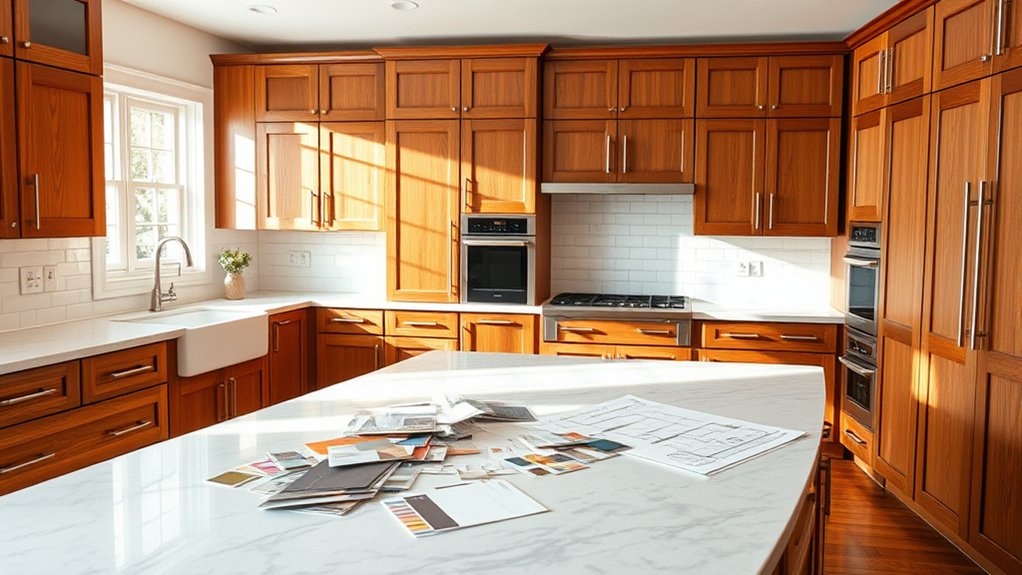
- Solid wood: You’ll pay more for oak, maple, cherry, or walnut, but these materials deliver natural character and long-term appeal.
- Wood veneer: You can achieve a genuine wood appearance at a lower cost while using less solid lumber.
- Laminate: You’ll often spend less and gain easy-clean surfaces, with many colors and patterns available.
- Thermofoil: You can select smooth, consistent finishes that resist everyday moisture and suit contemporary designs.
Reclaimed wood supports eco-friendly options, though availability may affect pricing. If you love vintage styles, consider beadboard, distressed finishes, or period-inspired colors. Your material decision shapes the cabinet’s overall price.
Construction Quality Levels
Construction quality affects kitchen cabinet cost through the strength of the materials, joinery, hardware, and finishing details. When you choose budget cabinets, you’ll typically get thinner panels, stapled joints, basic shelving, and less precise assembly.
These options can suit a rental or short-term update, but they may wear sooner under daily use.
Mid-range cabinets usually combine sturdier boxes, reinforced corners, adjustable shelves, and better-fitting doors. Premium construction may include thicker plywood, dovetail drawer boxes, mortise-and-tenon joints, and custom sizing.
Although these upgrades raise your initial price, they can improve durability and reduce replacement costs.
Your cabinet style and cabinet color won’t determine structural quality by themselves, but intricate doors or specialty finishes may require more skilled manufacturing.
Ask about box thickness, joinery, warranties, and weight capacity before comparing estimates.
Hardware And Finishes
Hardware and finishes can substantially affect kitchen cabinet cost, especially when you choose durable hinges, full-extension drawer slides, protective coatings, or premium paints and stains. Your Hardware options influence daily performance and long-term repair needs, while your Finishes selection shapes appearance, maintenance, and durability.
- Standard hinges and basic drawer glides keep your initial price lower, but they may wear sooner.
- Soft-close hinges and full-extension slides cost more, yet they improve access and reduce slamming.
- Painted finishes offer broad color choices; stains highlight natural grain and may require careful matching.
- Conversion varnish, catalyzed lacquer, and high-quality laminates provide stronger moisture and scratch resistance than economy coatings.
You’ll also pay more for custom colors, hand-applied distressing, metal accents, or specialty knobs and pulls. Compare warranties and samples before choosing upgrades.
How Layout Changes Raise Installation Costs
Changing your kitchen’s layout can raise cabinet installation costs because contractors may need to relocate plumbing, electrical lines, vents, or appliances before fitting the new cabinets.
Moving a sink, dishwasher, range, or refrigerator may require new connections, permits, wall repairs, and additional labor.
You’ll also pay more when installers must remove existing cabinets, alter flooring, reinforce walls, or correct uneven surfaces before installation begins.
Design flexibility can improve your kitchen’s function, but every major change adds planning and construction steps.
For example, shifting cabinets to another wall might require extending circuits or rerouting supply and drain pipes.
Space optimization can make a small kitchen feel more efficient, yet tight clearances may demand careful measurements and slower installation.
Ask your contractor for a detailed estimate that separates cabinet installation from demolition, utility relocation, finishing work, and permit fees.
Confirming the layout early helps you compare options, avoid surprises, and decide whether the improved workflow justifies the added cost.
Custom Storage Features That Add Cost
Beyond layout changes, custom storage features can also increase your kitchen cabinet cost. These upgrades use specialized hardware, precise measurements, and extra cabinetry, but they can make daily tasks easier.
Custom storage features can raise cabinet costs, but they often improve accessibility, organization, and everyday kitchen efficiency.
Consider which options fit your habits and budget:
- Pull-out pantry: Tall, narrow drawers bring cans and spices within reach. Their slides and custom dimensions typically cost more than standard shelves.
- Deep drawers: Reinforced boxes and heavy-duty glides support pots, pans, and small appliances, adding expense while improving access.
- Corner organizers: Lazy Susans, swing-out trays, and angled drawers turn awkward corners into useful space, though complex mechanisms raise prices.
- Built-in inserts: Knife blocks, tray dividers, recycling centers, and drawer organizers create order but require tailored layouts and additional materials.
Innovative storage can maximize every cabinet, especially in a compact kitchen. However, you don’t need every feature.
Prioritize the upgrades you’ll use daily, compare hardware quality, and ask your cabinet professional for cost-effective solutions. A simple divider may deliver more value than an elaborate accessory.
Plan these details before ordering so your final estimate reflects your choices.
Delivery, Installation, and Remodeling Extras
Once you’ve selected your cabinets, budget for delivery, installation, and remodeling extras. Delivery fees may depend on distance, order size, stairs, and whether the crew carries cabinets inside.
Ask whether the quote includes unloading, inspection, and removal of packaging so you won’t face surprise charges.
Professional installation typically costs more than assembling cabinets yourself, but it can protect your warranty and produce a more accurate fit.
Your installer may charge separately for removing old cabinets, leveling walls, modifying plumbing, or relocating electrical outlets.
You’ll also need to budget for trim, fillers, hardware, countertop adjustments, backsplash work, and painting.
Your choices can increase labor costs, too. Current design trends, such as full-height cabinetry or integrated appliances, may require extra preparation.
Complex color schemes involving painted finishes, contrasting islands, or specialty panels can also add time.
Before signing, request an itemized estimate covering delivery, installation, demolition, repairs, and finishing work.
Comparing several detailed quotes helps you control your total project cost.
Frequently Asked Questions
Can Kitchen Cabinets Increase My Home’s Resale Value?
Yes, new kitchen cabinets can increase your home’s resale value by improving appearance, storage, and functionality. You’ll attract buyers when you choose durable Kitchen cabinet materials that match your home’s style and neighborhood expectations.
Quality construction matters, but you shouldn’t overspend on luxury upgrades that won’t appeal to local buyers. Follow practical Cabinet installation tips, guarantee doors align properly, and complete the project professionally to create a polished, valuable impression.
How Long Do New Kitchen Cabinets Typically Last?
You can generally expect new kitchen cabinets to serve you well for 15–25 years, though quality construction and careful maintenance may extend their useful tenure.
Your cabinet material makes a difference: solid wood and plywood typically outlast particleboard. You’ll also want to take into account the installation timeline, since rushed fitting can create alignment problems and premature wear.
Protect your investment by controlling moisture, cleaning gently, tightening hardware, and addressing damage before it becomes a more substantial concern.
What Maintenance Do Different Cabinet Finishes Require?
You’ll maintain cabinet finishes differently depending on their material. Wipe painted and laminate surfaces with a soft, damp cloth and mild soap; avoid abrasives that can dull them.
Clean wood cabinets gently, dry spills quickly, and occasionally apply manufacturer-approved polish. Thermofoil needs minimal care but dislikes heat and moisture.
For strong cabinet durability, follow the maker’s guidance. Your finish cleaning requirements should also include checking hinges, tightening hardware, and repairing chips promptly.
Are Kitchen Cabinet Purchases Covered by Manufacturer Warranties?
Often, kitchen cabinet purchases include limited warranty coverage, but you’ll need to review the manufacturer policies carefully. Your warranty may protect against defects in materials, workmanship, or finish for a specified period.
It typically won’t cover normal wear, improper installation, moisture damage, misuse, or unauthorized modifications. Keep your receipt, follow care instructions, and confirm whether coverage transfers to future homeowners.
Contact the manufacturer or dealer promptly when you notice a potential defect.
When Is the Best Time of Year to Buy Kitchen Cabinets?
You’ll often find the best time to buy kitchen cabinets during late winter or early spring, when retailers offer seasonal discounts. Waiting for warmer weather can actually make your kitchen project cheaper.
January and February may bring clearance sales as stores make room for new displays. Shop early, though, since supply chain delays can extend lead times.
Compare prices, confirm inventory, and order before your renovation begins, so savings don’t turn into expensive delays.
Conclusion
Your new kitchen doesn’t have to strain your budget. You can control costs by comparing cabinet types, limiting unnecessary storage upgrades, and choosing a layout that minimizes installation work.
Think of your budget like a pie: cabinet boxes take the biggest slice, while hardware, delivery, labor, and remodeling extras take smaller pieces that can quickly add up.
Get detailed quotes, ask what’s included, and prioritize the features you’ll use daily. That way, you’ll invest wisely and better manage how much new kitchen cabinets cost without sacrificing style or function.