Where Is Hell’s Kitchen Located Exactly?
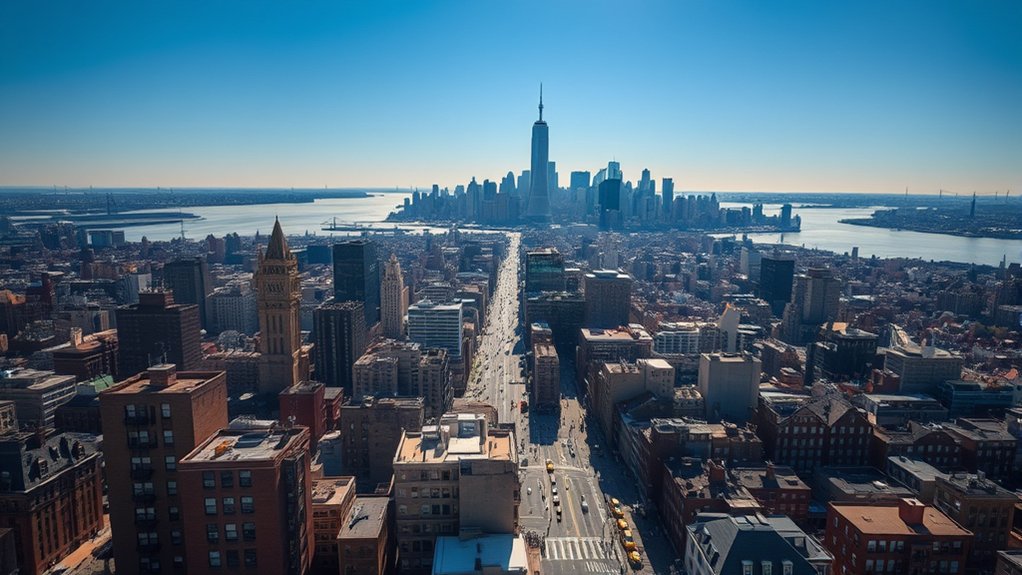
Wondering where Hell’s Kitchen is located exactly? You’re not alone—many visitors struggle to identify its boundaries, especially with nearby areas like Midtown West, Times Square, and Hudson Yards.
You’ll find Hell’s Kitchen on Manhattan’s West Side, between Eighth Avenue and the Hudson River. Generally, it stretches from West 34th to West 59th Streets.
The neighborhood sits within Midtown West, near Times Square, the Theater District, Hudson Yards, and the Javits Center.
Its boundaries can vary slightly by source, but you can easily reach it by subway, bus, taxi, or on foot.
Keep exploring to uncover its landmarks, character, nightlife, and transportation options.
Key Takeaways
- Hell’s Kitchen is on Manhattan’s West Side, directly west of Midtown Manhattan.
- Its traditional boundaries run from Eighth Avenue west to the Hudson River.
- It generally extends north from West 34th Street to West 59th Street.
- The neighborhood borders Chelsea to the south and Midtown, Columbus Circle, and the Theater District nearby.
- Major nearby landmarks include Times Square, Hudson Yards, the Javits Center, and Hudson River Park.
Where Is Hell’s Kitchen in Manhattan?
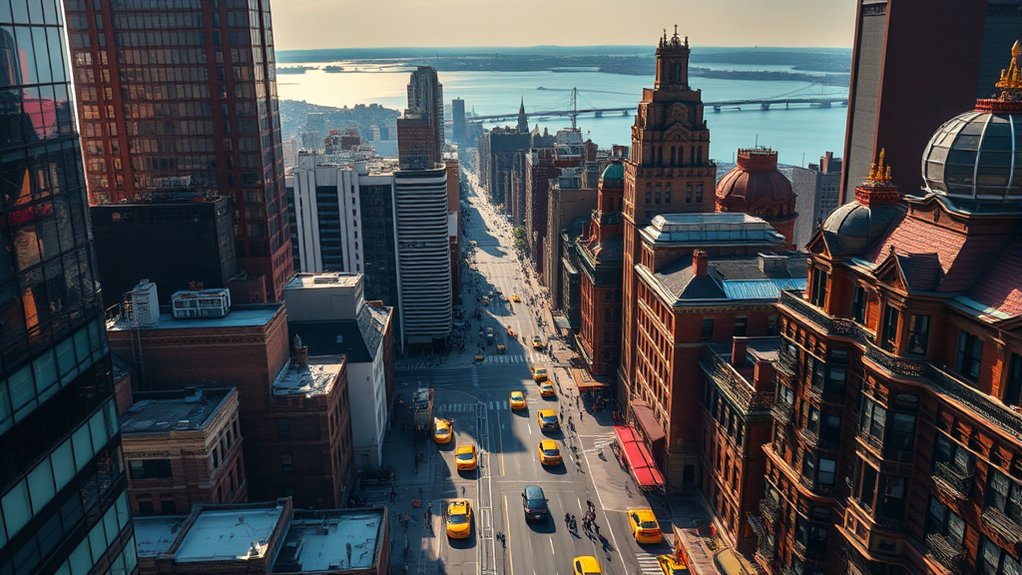
Hell’s Kitchen is located on Manhattan’s West Side, just west of Midtown. When you visit, you’ll find a lively neighborhood between the city’s commercial core and the Hudson River waterfront.
Hell’s Kitchen sits on Manhattan’s West Side, offering a lively neighborhood atmosphere between Midtown and the Hudson River.
Its position places you close to Times Square, the Theater District, Columbus Circle, and Hudson Yards. This makes it easy to reach major attractions, offices, restaurants, and subway connections.
You can experience Hell’s Kitchen as a distinct community rather than simply an extension of Midtown. Its historical significance appears in long-standing apartment buildings, former industrial sites, and streets shaped by working-class residents, immigrant communities, and New York’s theater industry.
Today, cultural diversity defines much of the area’s character. You’ll encounter global restaurants, neighborhood bars, creative venues, and residents from many backgrounds.
This mix gives the district an energetic, local atmosphere while keeping you within walking distance of some of Manhattan’s busiest destinations and cultural landmarks. You’ll notice the contrast immediately as quiet side streets meet busy avenues and bustling theaters.
What Are Hell’s Kitchen’s Boundaries?
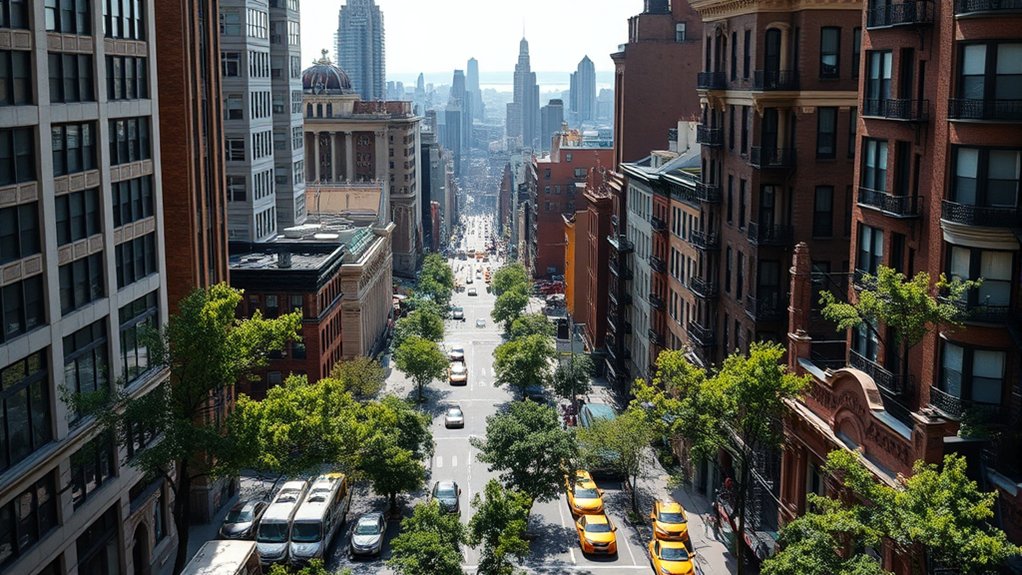
To understand Hell’s Kitchen, start with its clear eastern and western boundaries. Eighth Avenue runs along the neighborhood’s eastern edge, while the Hudson River borders it to the west. Together, these landmarks make it easy to locate Hell’s Kitchen on Manhattan’s West Side.
Eastern Boundary: Eighth Avenue
Eighth Avenue forms Hell’s Kitchen’s eastern boundary, separating the neighborhood from Midtown and the Theater District. As you walk along this busy avenue, you’ll notice the shift between Hell’s Kitchen’s residential streets and Midtown’s towering offices, theaters, hotels, and attractions.
The avenue gives you convenient access to subway stations, Broadway venues, Columbus Circle, and Central Park, while cross streets lead you into the neighborhood’s restaurants, bars, and apartment blocks.
Look beyond the traffic, and you’ll find traces of Historic architecture among newer developments, reflecting Hell’s Kitchen’s changing identity. You may also encounter Local festivals, street fairs, and community events nearby, which bring residents and visitors together.
Eighth Avenue isn’t merely a line on a map; it’s an active urban edge you can experience on foot.
Western Boundary: Hudson River
The Hudson River marks Hell’s Kitchen’s western boundary, giving the neighborhood a waterfront edge that contrasts with its dense inland streets. As you venture into the area, you’ll find piers, parks, and broad river views replacing the tightly packed blocks farther east.
The shoreline also helps you understand Hell’s Kitchen’s location between Eighth Avenue and the water.
- Hudson River Park offers paths, lawns, sports areas, and places to pause beside the water.
- Passenger ships and kayakers add movement to the waterfront throughout the year.
- New apartment buildings stand near older Residential neighborhoods, creating a changing skyline.
- Restaurants, theaters, and community spaces reflect the area’s Cultural diversity.
Although the river forms a clear western limit, public access makes it feel connected rather than isolated. You can walk west from neighborhood streets and quickly reach Manhattan’s scenic waterfront.
Which Streets Define Hell’s Kitchen?
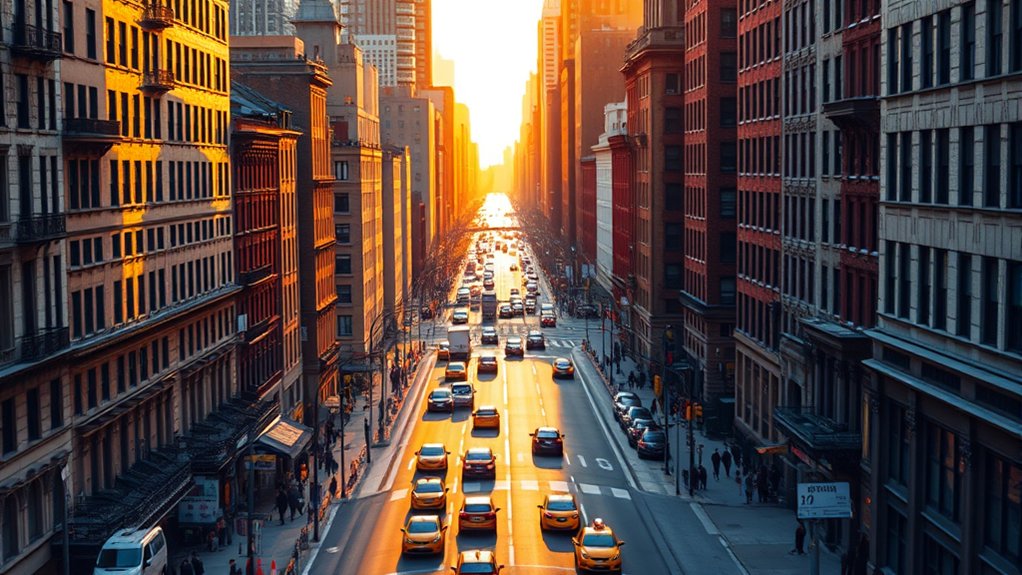
Hell’s Kitchen generally stretches from Eighth Avenue west to the Hudson River and from roughly 34th Street north to 59th Street. As you delve into the neighborhood, you’ll find 34th Street forming its southern edge, while 59th Street marks its northern limit.
Eleventh and Twelfth Avenues trace much of its western side, with the Hudson River beyond them. Eighth Avenue provides the clearest eastern boundary, although local definitions can shift slightly from block to block.
Within these limits, you’ll encounter a mix of residential streets, restaurants, warehouses, and performance venues. West 42nd, 46th, and 50th Streets cut across the area and help you navigate its grid.
Near Eighth Avenue, Hell’s Kitchen meets the Theater district, where Broadway shows draw crowds each evening. Farther west, the streets feel quieter and more industrial, especially near the waterfront.
Looking at these avenues and cross streets gives you the most practical way to understand Hell’s Kitchen’s shape.
Is Hell’s Kitchen Part of Midtown?
Those boundaries place Hell’s Kitchen within Midtown Manhattan, specifically the area commonly called Midtown West. When you visit, you’ll notice that locals and city agencies may use these labels differently. Hell’s Kitchen describes the neighborhood, while Midtown identifies the larger commercial and geographic district around it.
Hell’s Kitchen is a distinct neighborhood within Midtown West, blending local character with Midtown’s broader commercial identity.
You can understand the relationship through four points:
- Location: Hell’s Kitchen sits on Midtown’s western side, north of Chelsea and near the Theater District.
- Planning: City maps may group its blocks with Midtown West for transportation, zoning, and business purposes.
- Historical influences: Its working-class roots, immigrant communities, and proximity to major rail and theater development shaped a distinct identity within Midtown.
- Cultural diversity: You’ll find restaurants, performance spaces, longtime residents, and newer businesses sharing streets that serve office workers and visitors.
Does Hell’s Kitchen Reach the Hudson River?
Yes, Hell’s Kitchen reaches the Hudson River along Manhattan’s western edge, although its eastern boundary is less clearly defined. As you travel west on streets such as 42nd, 44th, or 50th, you’ll eventually approach the riverfront, where piers, parks, and waterfront paths mark the neighborhood’s western limit.
Hell’s Kitchen’s connection to the Hudson reflects its Historical development. Working-class residents, factories, rail infrastructure, and shipping activity once shaped this edge of Manhattan.
Today, you’ll find a changing waterfront with public spaces, residential buildings, performance venues, and transportation facilities. The neighborhood’s river access also reflects its Cultural diversity, since generations of immigrant communities helped establish the area’s identity and daily life.
When you delve into the neighborhood, keep in mind that local boundaries can vary by source. Some descriptions extend Hell’s Kitchen to the river, while others emphasize its residential core farther east.
Either way, you can clearly experience the Hudson as Hell’s Kitchen’s western geographic edge.
How Is Hell’s Kitchen Different From Chelsea?
Hell’s Kitchen and Chelsea have distinct neighborhood boundaries, even where they meet near Midtown Manhattan. As you walk through them, you’ll notice Hell’s Kitchen feels grittier and more lively, while Chelsea is known for its art galleries, converted warehouses, and polished architecture. The dining and nightlife scenes differ, too: Hell’s Kitchen has plenty of theater-focused restaurants and bars, while Chelsea leans more toward art-driven and trendier venues.
Neighborhood Boundaries
Hell’s Kitchen lies directly north of Chelsea, with West 34th Street commonly marking the boundary between them. As you delve into, you’ll notice that the dividing line feels practical rather than absolute. Streets, subway stops, and addresses often clarify which neighborhood you’re entering.
- Hell’s Kitchen generally stretches from West 34th to West 59th streets, between Eighth Avenue and the Hudson River.
- Chelsea occupies the area south of 34th Street, extending toward West 14th Street.
- The two neighborhoods overlap near Penn Station, Hudson Yards, and the Garment District, so local maps may differ.
- You can compare their identities through historic landmarks and local art, which reflect each area’s distinct history.
For an exact location, check the cross street and borough map before planning your visit. You’ll avoid confusion around shared commercial zones and shifting neighborhood labels.
Atmosphere And Architecture
While both neighborhoods sit beside Midtown’s west side, Hell’s Kitchen feels more residential and lived-in, with older tenements, walk-up buildings, and narrow side streets leading toward the river. As you venture, you’ll notice a mix of architectural styles, including brick row houses, prewar apartment buildings, converted warehouses, and newer glass towers.
Chelsea feels more polished and gallery-oriented, with broad avenues, distinctive cast-iron structures, and striking contemporary developments. Hell’s Kitchen’s neighborhood vibe remains grittier, quieter, and more layered, especially away from Ninth Avenue.
You’ll see long-standing buildings beside construction projects, creating a visibly evolving streetscape. Chelsea often presents a curated, design-conscious appearance, while Hell’s Kitchen retains stronger traces of its working-class past.
The contrast becomes clearest when you walk west from busy Midtown blocks toward the Hudson River.
Dining And Nightlife Differences
At night, Hell’s Kitchen offers a broader mix of casual restaurants, neighborhood bars, Irish pubs, and late-night spots than Chelsea’s more gallery-driven dining scene. As you wander, you’ll notice each neighborhood shapes your evening differently:
- Culinary diversity: Hell’s Kitchen serves everything from Thai and Ethiopian dishes to burgers, steakhouses, and theater-friendly pre-show meals. Chelsea leans toward polished restaurants, food halls, and creative dining near galleries and the High Line.
- Nightlife venues: You’ll find more relaxed pubs, drag bars, piano lounges, and LGBTQ+ spaces in Hell’s Kitchen, while Chelsea offers stylish cocktail bars and clubs.
- Timing: Hell’s Kitchen stays lively after performances and late dinners; Chelsea’s activity often follows gallery events and weekend crowds.
- Atmosphere: Choose Hell’s Kitchen for spontaneity, or Chelsea for a trend-conscious, design-focused night out. Both neighborhoods reward curious diners.
How Do You Get to Hell’s Kitchen?
Getting to Hell’s Kitchen is straightforward, whether you’re traveling by subway, bus, car, or on foot. From Midtown, you can walk west along busy avenues and quickly reach the neighborhood’s restaurants, theaters, galleries, and residential streets.
If you’re coming from another part of Manhattan, check the MTA’s current route information and choose a subway or bus that brings you toward the west side. You can also use a rideshare or taxi, though traffic often slows travel during rush hour and before evening performances.
Driving is possible, but parking can be expensive and limited. Consider a garage or leave your car outside the busiest blocks.
From Penn Station, Port Authority Bus Terminal, or nearby hotels, walking may be the simplest option. As you plan your route, allow extra time to delve into local art and the culinary scene. Comfortable shoes help, especially if you want to wander beyond your first destination.
Which Subway Stops Are Near Hell’s Kitchen?
You’ll find several convenient subway stops along Eighth Avenue near Hell’s Kitchen. Times Square–42nd Street connects you to multiple subway lines, while the 42nd Street–Port Authority Bus Terminal station provides another easy option. With these stations nearby, getting to the neighborhood from across New York City is simple.
Eighth Avenue Subway Stops
The A, C, and E trains run beneath Eighth Avenue, giving you convenient access to Hell’s Kitchen at 50th Street, 42nd Street–Port Authority Bus Terminal, and 34th Street–Penn Station.
These stops place you near restaurants, theaters, offices, and residential blocks without requiring a long walk.
- 50th Street: Exit near northern Hell’s Kitchen, where you can investigate varied apartment styles and neighborhood dining.
- 42nd Street–Port Authority: Use this busy transit connection to reach western Midtown and nearby attractions efficiently.
- 34th Street–Penn Station: Choose this stop for southern Hell’s Kitchen, Hudson Yards access, and regional trains.
- Walking connections: Check each station’s exits before surfacing; the right corner can save time.
You’ll also find local festivals, food events, and community activities throughout the year.
Subway service runs frequently, but weekend construction can change routes, so check schedules before traveling.
Times Square–42nd Street
Times Square–42nd Street is a convenient subway hub for reaching Hell’s Kitchen, with 1, 2, 3, 7, N, Q, R, W, and S trains connecting you to the neighborhood’s southern and eastern edges.
From the platforms, you can walk west or northwest toward Ninth and Tenth Avenues, where local cuisine fills casual restaurants, delis, and bars. Historic landmarks and theaters around Times Square also make this stop useful for sightseeing before exploring Hell’s Kitchen.
| Train | Best direction |
|---|---|
| 1, 2, 3 | West and north |
| 7 | West toward Hudson Yards |
| N, Q, R, W | Broadway access |
| S | Shuttle connections |
Exit near 42nd Street and Broadway, then follow signs carefully because the complex has multiple entrances. You’ll find the neighborhood’s southern edge within a manageable walk, though exact distances vary by exit.
This hub works especially well when you’re combining dining, theater, and neighborhood strolling.
Port Authority Access
For direct access to Hell’s Kitchen from the west side of Midtown, use 42nd Street–Port Authority Bus Terminal, served by the A, C, and E trains. This Port Authority stop puts you near Ninth Avenue restaurants, theaters, hotels, and the neighborhood’s southern edge.
You’ll find several subway options within a short walk:
- A and C trains: Exit at 42nd Street for quick access to Ninth and Tenth Avenues.
- E train: Use the same station for convenient east-west connections across Manhattan.
- 7 train: Walk east to Times Square–42nd Street when you need Flushing-bound or Queens-bound service.
- 1, 2, and 3 trains: Reach 50th or 42nd Street stations for destinations along the Upper West Side or Lower Manhattan.
Check weekend schedules, since service changes can affect your transit access.
What Landmarks Are Near Hell’s Kitchen?
Hell’s Kitchen sits within walking distance of several iconic New York City landmarks, including Times Square to the south, the Hudson River and Hudson River Park to the west, and Central Park a few blocks north.
From the neighborhood, you can reach Broadway theaters, Rockefeller Center, and Radio City Music Hall with a short walk or quick subway ride. The Intrepid Sea, Air & Space Museum anchors the nearby Hudson waterfront, offering a close look at naval and aviation history.
You can also visit the Jacob K. Javits Convention Center, just west of the neighborhood, for major exhibitions and events. Stroll north to Columbus Circle, where Central Park begins and cultural institutions surround the plaza.
These sites add historical significance and artistic influence to your surroundings without requiring a long journey. As you explore, you’ll find Hell’s Kitchen works as a convenient base for seeing Midtown’s landmarks, waterfront paths, theaters, museums, and green spaces.
What Is Hell’s Kitchen Known For?
Known for its gritty past and creative energy, the neighborhood blends Broadway theaters, diverse restaurants, lively bars, and a long tradition of music and performing arts. As you explore Hell’s Kitchen, you’ll discover why it remains one of Manhattan’s most distinctive areas.
- Theater district: You can walk from local streets to Broadway venues, where major musicals, dramas, and touring productions attract audiences nightly.
- Culinary scene: You’ll find everything from casual diners and international kitchens to modern restaurants serving inventive dishes.
- Nightlife: Neighborhood bars, lounges, and music spots give you plenty of options after a show or dinner.
- Creative history: You can trace the area’s character through longtime residents, artists, musicians, and community institutions.
Hell’s Kitchen also offers convenient access to Hudson River parks, the Javits Center, and Midtown attractions. Its mix of entertainment, food, and neighborhood character makes it a rewarding place to visit, whether you’re catching a performance, trying something new, or simply wandering its busy avenues.
Frequently Asked Questions
Why Is Hell’s Kitchen Called Hell’s Kitchen?
You’ll find several explanations for why Hell’s Kitchen received its name. Historical origins often point to its nineteenth-century reputation for violence, poverty, and dangerous tenements, where police reportedly compared the neighborhood to hell itself.
Another story credits a notorious building or gang. Over time, the label endured despite major redevelopment.
Its cultural significance now reflects gritty New York identity, resilience, theater history, restaurants, and a vibrant community rather than danger alone.
How Expensive Is It to Live in Hell’s Kitchen?
You’ll find Hell’s Kitchen expensive, with typical one-bedroom rents often ranging from $3,500 to $5,000 monthly, depending on the building and amenities. You’ll also pay premium prices for dining, groceries, parking, and entertainment.
Recent urban development has added luxury towers and upscale services, pushing costs higher while improving convenience. For a cost comparison, you’ll generally spend more than in outer Manhattan neighborhoods, though you might save versus Tribeca or SoHo.
Is Hell’s Kitchen a Safe Neighborhood?
Yes, you’ll generally find Hell’s Kitchen safe, though it isn’t crime-free. Think of it as a busy river: constant foot traffic and activity help keep many streets lively, especially around major avenues and daytime businesses.
Crime rates remain manageable, but you should still watch your belongings, stay alert late at night, and choose well-lit routes. Community safety benefits from residents, workers, visitors, and police presence, yet conditions can vary by block.
What Types of Housing Are Available in Hell’s Kitchen?
You’ll find diverse housing in Hell’s Kitchen, from prewar walk-ups and classic brownstones to modern high-rise apartments. Affordable apartments exist, though competition can make them difficult to obtain.
You can also choose luxury condos with doormen, fitness centers, rooftop terraces, and Manhattan views. Market-rate rentals, co-ops, furnished units, and shared apartments round out the options.
Your budget, desired amenities, and proximity to transit will shape your best choice.
Are There Good Restaurants and Nightlife Options in Hell’s Kitchen?
Yes, you’ll find an excellent food scene in Hell’s Kitchen, with everything from casual diners and international eateries to upscale restaurants and Broadway pre-theater spots. After dinner, you can explore lively nightlife venues, including cocktail lounges, sports bars, dance clubs, and intimate music rooms.
The neighborhood stays active late, so you won’t struggle to find a place for drinks, entertainment, or a relaxed nightcap with friends.
Conclusion
So, where is Hell’s Kitchen? You’ll find it on Manhattan’s West Side, roughly between Eighth Avenue and the Hudson River, from 34th to 59th streets—close enough to Midtown to claim the perks, yet distinct enough to keep its identity.
Take the subway, stroll past theaters, and watch the neighborhood reinvent itself block by block. Just don’t expect actual flames: New York reserves those for rent prices and restaurant reviews, apparently.
Now that you know where Hell’s Kitchen is located, you can explore one of Manhattan’s most distinctive neighborhoods.